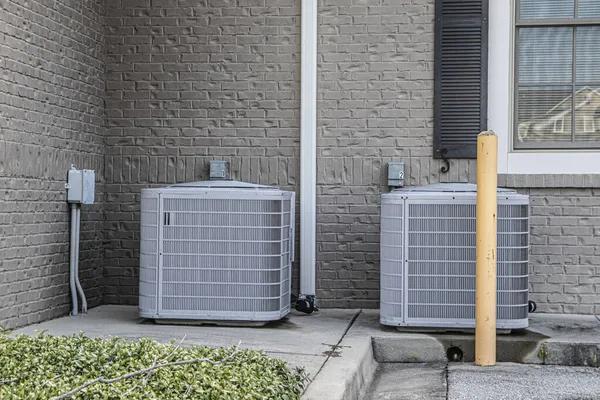
During extreme weather conditions, HVAC systems face significant challenges, often leading to emergency repair situations. These scenarios demand swift and efficient responses from HVAC companies to ensure safety and comfort for their clients. Understanding how these companies handle such emergencies provides insight into their operational strategies and customer service priorities.
Firstly, preparedness is key for HVAC companies when dealing with emergency repairs during extreme weather. Many firms maintain a well-structured plan that includes having a fully stocked inventory of essential parts and equipment. This readiness allows technicians to address issues promptly without the delay of sourcing components. Additionally, companies often invest in training programs that equip their technicians with open the site skills needed to handle various emergency scenarios efficiently.
Communication plays a crucial role in managing emergency repairs effectively. HVAC companies prioritize clear and timely communication with their clients to keep them informed about the status of their repair requests. During extreme weather events, call centers or dedicated helplines are often set up or reinforced to manage increased call volumes efficiently. By providing regular updates on expected arrival times and potential delays due to weather conditions, companies help alleviate customer anxiety.
Technological advancements also play an integral part in handling emergencies during adverse weather conditions. Many HVAC firms utilize advanced diagnostic tools that allow technicians to quickly identify problems within a system, thus speeding up the repair process significantly. Moreover, some companies have adopted remote monitoring solutions which enable them to assess system performance even before arriving on-site, allowing for more accurate diagnostics and preparation prior to dispatching a technician.
The logistics of deploying technicians safely during harsh weather cannot be overlooked either. Companies often implement strategic scheduling practices that prioritize critical cases based on factors like vulnerability (such as homes with elderly residents) or severity of malfunction (like complete heating failure). This triage approach ensures resources are allocated where they are most urgently needed while maintaining fair service distribution across all affected areas.
Furthermore, safety protocols are strictly adhered to by both field personnel and customers during these operations. Technicians receive training not only in technical aspects but also in personal safety measures relevant under severe weather conditions—be it heatwaves or snowstorms—to minimize risks associated with travel or onsite work.
Lastly, post-repair follow-ups form an essential component of handling emergencies effectively; ensuring systems remain functional after servicing helps prevent recurring issues once normalcy returns post-weather event.
In conclusion, through meticulous planning involving resource management, effective communication channels coupled with modern technology usage alongside strict adherence towards safety norms – HVAC companies adeptly navigate the complexities posed by emergency repairs amid extreme climatic adversities ensuring minimal disruption whilst safeguarding client welfare comprehensively.