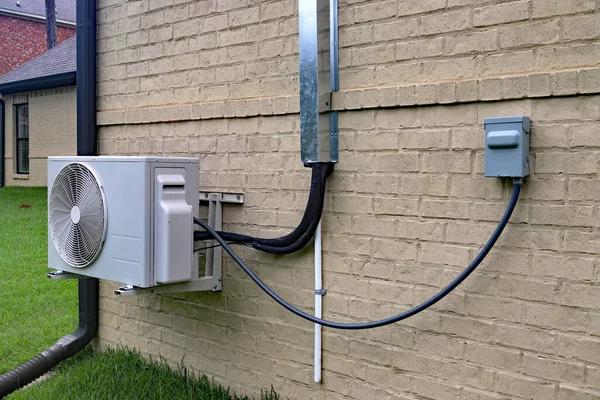

Installing a mini split air conditioning system offers numerous advantages that make it an increasingly popular choice for both residential and commercial spaces. One of the primary benefits is its energy efficiency. Mini splits operate without the need for ductwork, which often leads to significant energy losses in traditional central air systems. By delivering cooled or heated air directly to individual rooms, these units reduce wasted energy, resulting in lower utility bills and a smaller environmental footprint.
Another important advantage is the ease of installation compared to conventional HVAC systems. Since mini splits do not require extensive ductwork, they can be installed quickly and with minimal disruption to existing structures. This makes them ideal for older buildings or homes where adding ducts would be difficult or expensive. The compact design also allows flexibility in placement, enabling users to cool specific areas rather than an entire building, which enhances comfort by allowing customized temperature control.
Mini Split AC ACs are known for their quiet operation as well. Unlike window units or bulky central systems that can produce noticeable noise levels, mini splits typically run quietly due to advanced compressor technology and insulated outdoor units. This feature is particularly beneficial in bedrooms, offices, or any space where low noise levels contribute significantly to comfort and productivity.
In addition to cooling capabilities, many mini split models provide heating options through heat pump technology. This dual functionality means one unit can maintain comfortable temperatures year-round without the need for separate heating appliances. It adds convenience while maximizing space efficiency since fewer devices are required within living areas.
Maintenance requirements for mini splits tend to be straightforward and less frequent than those associated with traditional HVAC setups. Filters are easy to access and clean or replace regularly without professional help, ensuring optimal performance over time. The durability of these systems generally translates into longer lifespans when properly maintained.
Furthermore, mini split ACs improve indoor air quality by incorporating advanced filtration systems that capture dust particles, allergens, and other pollutants more effectively than many standard air conditioners. Improved ventilation contributes positively toward healthier living environments by reducing airborne contaminants.
Overall, installing a mini split air conditioning system combines efficient climate control with user-friendly features such as simple installation processes and quiet operation while supporting better indoor air quality and year-round comfort through integrated heating options. These attributes make mini splits a practical investment capable of enhancing both comfort levels and energy savings across diverse settings from single rooms to larger properties requiring zoned temperature management solutions tailored precisely according to occupants’ preferences.