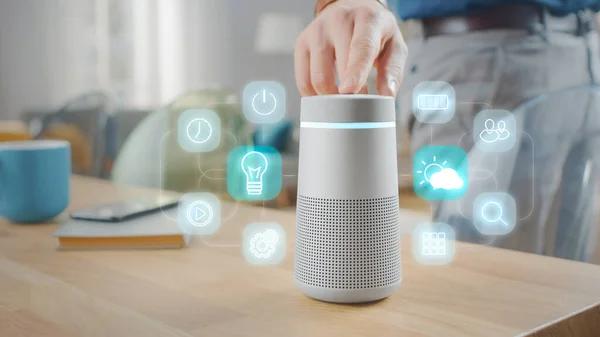

In the rapidly evolving landscape of technology, integrating AI personal assistants into workplace environments has become increasingly appealing. These digital aides promise to streamline operations, enhance productivity, and free up human resources for more strategic tasks. However, despite their potential benefits, the adoption of AI personal assistants can be met with resistance or challenges within teams. To ease this transition and maximize the advantages these tools offer, organizations must approach implementation thoughtfully.
First and foremost, it is crucial to foster a culture of openness and adaptability among team members. Introducing any new technology requires change management strategies that emphasize transparency about how AI will be integrated into daily workflows. Providing a clear explanation of the benefits and addressing concerns upfront can help alleviate apprehensions. By involving team members in discussions about potential uses and improvements early on, employees are learn more here likely to feel invested in the transition process.
Training is another essential component in facilitating smooth adoption. Offering comprehensive training sessions tailored to different levels of technological proficiency ensures that all team members feel confident using the new tool. This might include workshops or one-on-one coaching sessions where employees can ask questions and learn at their own pace. Ensuring continuous support through accessible resources like online tutorials or dedicated IT personnel further aids in building comfort with AI technologies.
Moreover, selecting an AI personal assistant that aligns well with your team’s specific needs is critical for successful integration. Not all solutions are created equal; therefore, evaluating features such as task management capabilities, communication skills, data security measures, and compatibility with existing systems is vital before making a decision. A personalized approach helps ensure that the chosen assistant complements rather than complicates current processes.
Furthermore, setting realistic expectations regarding what an AI personal assistant can achieve is necessary to avoid disappointment or frustration later on. While these tools are powerful allies in managing routine tasks efficiently—such as scheduling meetings or sorting emails—they may not replace complex problem-solving roles traditionally held by humans just yet.
Regular feedback loops should also be established post-implementation to monitor effectiveness and gather user input for ongoing improvement initiatives. Encouraging open dialogue around what works well versus areas needing refinement allows teams to adapt dynamically over time while continuously optimizing usage patterns based on real-world experiences.
Finally—and perhaps most importantly—leadership plays a pivotal role throughout this journey toward embracing artificial intelligence within organizational structures successfully: leaders who champion innovation lead by example when adopting cutting-edge technologies themselves demonstrate commitment towards fostering future-ready workplaces where both people-powered creativity thrives alongside machine-driven efficiency seamlessly together under one roof!