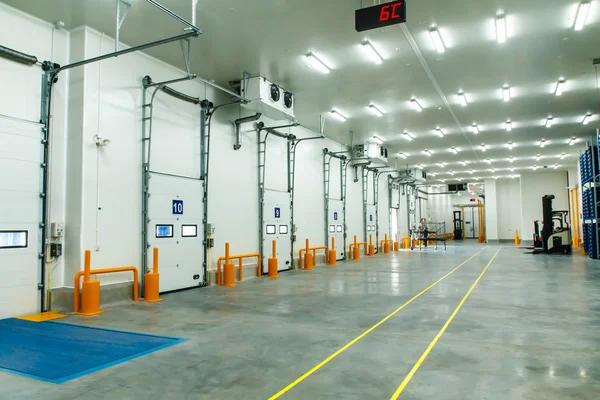

Commercial refrigeration systems are essential components in various industries, including food service, hospitality, and retail. These systems maintain low temperatures to preserve perishable goods, ensuring safety and quality over extended periods. Understanding the fundamentals of commercial refrigeration is crucial for selecting the right equipment, optimizing performance, and reducing operational costs.
At its core, a commercial refrigeration system operates by removing heat from an enclosed space or product storage area. This process involves several key components: a compressor, condenser, expansion valve, and evaporator. The compressor compresses refrigerant gas into a high-pressure state before it moves through the condenser coils where it releases heat to the surrounding environment. As the refrigerant passes through the expansion valve, its pressure drops sharply causing it to cool rapidly before entering the evaporator coils inside the refrigerated space. Here, it absorbs heat from within that area and returns to a gaseous state to repeat the cycle.
There are different types of Commercial Refrigeration systems tailored for specific applications. Walk-in coolers and freezers provide large storage spaces with consistent temperature control suitable for restaurants or grocery stores. Reach-in refrigerators offer easy access with glass doors commonly seen in convenience stores or bars. Display cases combine cooling capabilities with visibility for showcasing products like beverages or desserts while maintaining optimal freshness.
Choosing an appropriate system requires consideration of factors such as capacity needs, energy efficiency standards, available space constraints, and maintenance requirements. Modern commercial units often incorporate environmentally friendly refrigerants designed to minimize ozone depletion and reduce greenhouse gas emissions compared to older models using harmful substances like CFCs or HCFCs.
Energy consumption plays a significant role in operating costs; therefore selecting energy-efficient compressors along with proper insulation can lead to substantial savings over time. Regular maintenance is vital for keeping these systems running smoothly; cleaning condenser coils prevents overheating while checking refrigerant levels ensures effective cooling performance without undue strain on components.
Installation also demands professional expertise due to complexities involving electrical connections and coolant handling regulations aimed at safety compliance. Proper ventilation around condensers is necessary since blocked airflow can cause inefficiencies or damage equipment prematurely.
In summary, commercial refrigeration systems are complex but indispensable tools that require thoughtful selection based on usage requirements combined with ongoing care for durability and efficiency. By understanding how these systems function along with their distinct types and operational considerations businesses can make informed decisions that enhance productivity while controlling expenses effectively within their facilities’ cooling operations framework.