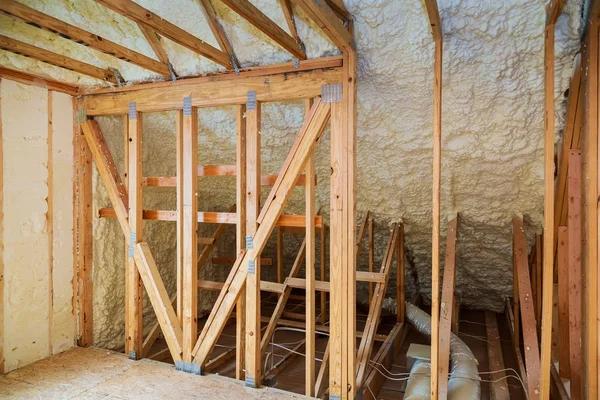

Spray foam insulation has emerged as a popular choice for modern buildings, offering a range of benefits that contribute to energy efficiency, structural integrity, and environmental sustainability. This innovative insulation material is made by mixing two liquid components that expand into a foam upon application. Once applied, it hardens and forms an airtight seal, providing superior thermal resistance compared to traditional materials like fiberglass or cellulose.
One of the primary advantages of spray foam insulation is its exceptional ability to reduce energy consumption. By creating an airtight barrier, it minimizes air leakage from buildings, which is one of the leading causes of energy loss. This results in lower heating and cooling costs as HVAC systems do not need to work as hard to maintain comfortable indoor temperatures. In fact, studies have shown that buildings with Spray Foam Insulation can save up to 50% on energy bills compared to those using conventional insulation methods.
In addition to its thermal performance, spray foam also enhances the structural strength of buildings. When applied between walls or under roofs, it adds rigidity and increases resistance against external forces such as wind and seismic activity. This added durability can extend the lifespan of modern structures while reducing maintenance costs over time.
Another significant benefit is its moisture-resistant properties. Spray foam acts as a barrier against water infiltration, preventing mold growth and protecting building materials from damage caused by moisture accumulation. This feature is particularly advantageous in regions prone to high humidity or heavy rainfall where moisture-related issues are common concerns.
The versatility of spray foam insulation cannot be overlooked either; it can be used in various applications ranging from residential homes to commercial spaces or industrial facilities due mainly because it adheres well onto different surfaces including wood framing members steel beams concrete block walls etcetera thus allowing builders architects designers alike greater flexibility when designing constructing new projects renovating existing ones too!
Moreover opting for this type reduces environmental impact thanks largely due fact contains no harmful chemicals CFCs HCFCs HFCs making eco-friendly choice those concerned about sustainability climate change effects our planet’s future generations alike! It should noted though initial installation cost higher than traditional options long-term savings gained through reduced utility bills increased property value make worthwhile investment indeed many cases pay itself within few years depending size scope project involved course other factors considered well before deciding go route ultimately depends individual needs priorities budget constraints among others things important take account prior making final decision regarding best suited particular situation at hand whatever may entail specifically tailored requirements meet expectations exceed them whenever possible feasible manner achievable realistic terms practical standpoint overall perspective taken into consideration throughout entire process planning execution implementation phases alike ensuring successful outcome achieved end result desired attained satisfaction guaranteed all parties involved stakeholders included naturally!