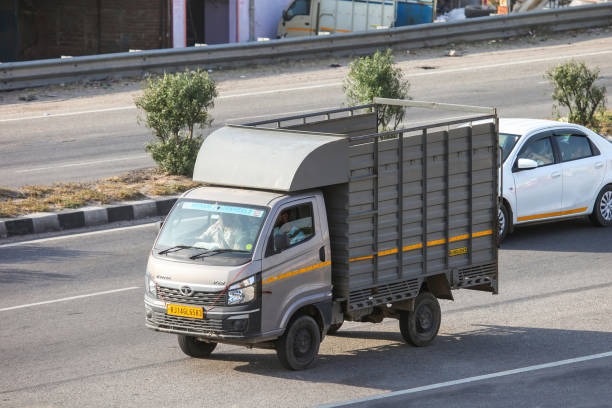

The Unified Carrier Registration (UCR) program is a federally mandated system in the United States that requires motor carriers, including freight forwarders, brokers, and leasing companies operating in interstate or international commerce, to register their business and pay an annual fee. This program plays a critical role in ensuring that commercial vehicles are compliant with safety standards while also contributing to state highway safety programs. Understanding the key requirements for UCR registration is essential for motor carriers to remain compliant and avoid penalties.
First and foremost, it’s important for motor carriers to identify whether they fall under the jurisdiction of UCR. Generally, any company that operates commercial vehicles across state lines or internationally must register under UCR. This includes private carriers transporting their own goods as well as those involved in for-hire transportation services. Even if a carrier does not own any vehicles but arranges transportation services (such as brokers), they are still required to register.
Once eligibility is determined, carriers need to gather pertinent information necessary for registration. This includes details about the company such as its legal name, Doing Business As (DBA) name if applicable, principal place of business address, and contact information. Carriers must also provide their USDOT number—a unique see website identifier assigned by the Federal Motor Carrier Safety Administration (FMCSA)—and Tax Identification Number (TIN).
Another crucial requirement involves calculating fleet size since UCR fees are based on the total number of commercial vehicles operated by a carrier during the previous year. The definition of “commercial vehicle” under UCR encompasses trucks or tractors with a gross vehicle weight rating over 10,000 pounds used on highways in interstate commerce; passenger vehicles designed to transport more than ten passengers including the driver; or any vehicle transporting hazardous materials requiring placarding.
After gathering all necessary data and determining fleet size, motor carriers can proceed with filing their application through an online portal provided by FMCSA or through participating states’ websites designated for handling UCR registrations. It’s imperative that this process be completed annually before December 31st each year.