
I remember the first time I set foot in Prague’s city center. It was cold, the cobblestones were a bit of a nightmare for my shoes, and I was trying to find a specific store for a last-minute client gift. You see all these beautiful old buildings and it’s easy to get distracted by the historic architecture. But as a professional who watches retail trends, I was more interested in how modern commerce fits into such an ancient setting. It’s a delicate balance. You can’t just drop a giant glass box in the middle of a historic square and expect people to love it. I walked around for hours, getting lost in the winding alleys of the Old Town. Some spots felt too touristy, while others were just too quiet to be viable for a serious business footprint. It’s a struggle to find that sweet spot where foot traffic meets high-end appeal. I’ve seen so many brands fail because they chose a location based on “vibe” rather than actual, hard-hitting data and accessibility. It’s a mistake that costs millions.
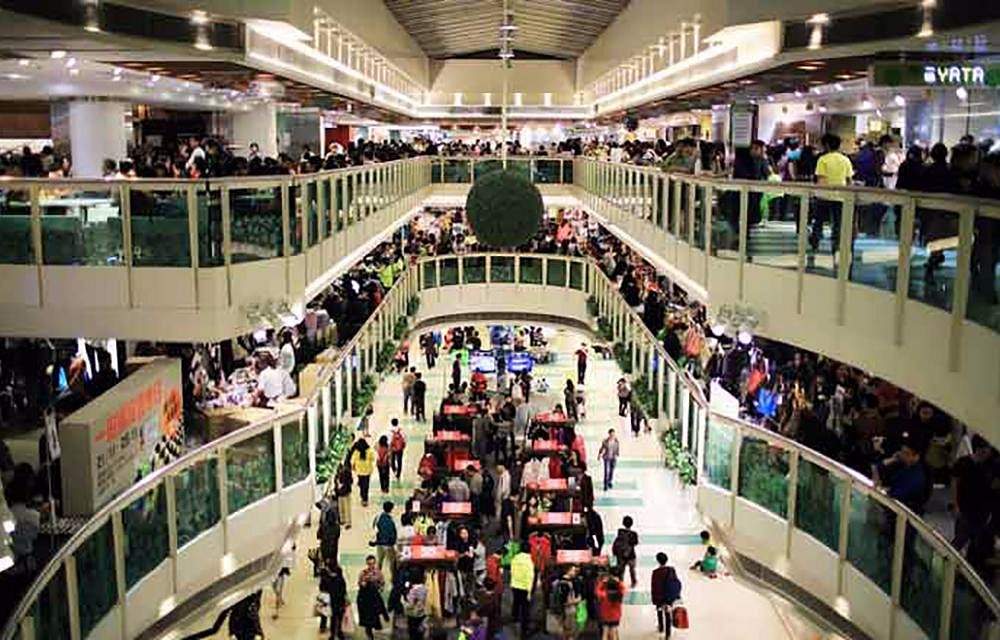
Eventually, I ended up at Republic Square, and that’s where everything changed. Standing there, you can’t miss Palladium, which is basically the gold standard for retail space in that part of Europe. It’s built into an old army barracks, which is a cool bit of history, but once you step inside, it’s a whole different world. I’ve worked with plenty of developers, and it’s rare to see a space that manages to feel both massive and navigable at the same time. There are over 200 shops in there, and for a retailer, that kind of density is either a dream or a nightmare depending on your neighbors. But the flow of people is constant. I sat in a cafe on the top floor just to watch the crowd for a bit. It’s not just tourists buying souvenirs; it’s locals, professionals on lunch breaks, and people who are clearly there to spend real money. For anyone looking at the commercial property market in the Czech Republic, this is the benchmark. You don’t just lease a spot there; you buy into a specific kind of visibility that’s hard to replicate anywhere else in the city.
I’ve learned that in this industry, location is only half the battle. You need a space that actually supports the logistics of a modern brand while keeping the customer experience high. And Prague is a tough market to crack. It’s competitive. The regulations are strict. If you’re coming from a different market, the local nuances can trip you up fast. I’ve talked to plenty of colleagues who tried to expand too quickly and ignored the importance of being in a hub that already has established gravity. Don’t make that mistake. It’s tempting to look for a cheaper peripheral spot, but the foot traffic drop-off can be brutal. Or you might find a place that looks great on paper but has zero parking or terrible public transport links. It’s a grind to get it right. But when you find a location that actually works, the payoff is worth the initial headache. My advice? Spend the time to walk the floors yourself. See how people interact with the space. It’s the only way to really know if a property is going to be a fit for your long-term goals. It’s worked for me, and it’s how I’ve avoided some of the biggest pitfalls in the business.