
Buying your first car is a significant milestone, one that comes with a host of important decisions. Over the years, I’ve noticed that questions around car expenses and budgeting never seem to go away. This is perhaps because the financial landscape of owning a car involves multiple layers—each requiring careful consideration. Whether you’re contemplating how much you should spend on your first car or pondering the intricacies of car insurance, each decision impacts your overall financial health. For anyone starting this journey, you might find some useful insights here.
How Much Should You Spend on Your First Car?
When I was purchasing my first car, I grappled with how much I should realistically spend. The advice I often encountered suggested spending no more than 20% of your annual salary on a car. While this is a helpful guideline, I realized that personal circumstances can significantly alter this figure. If you have student loans or are saving for a house, you might opt for a more conservative budget. On the flip side, if you have fewer financial commitments, you might feel comfortable spending a bit more. The key is to align your spending with your larger financial goals.
How Much Car Insurance Is Enough?
Car insurance is another essential piece of the puzzle. I remember feeling overwhelmed by the multitude of options available. The minimum coverage might seem like an appealing way to save money, but it’s crucial to weigh potential risks. Comprehensive coverage can offer peace of mind, especially if you’re driving a new or expensive vehicle. Balancing cost with adequate protection is essential, and sometimes discussing your needs with an insurance agent can provide clarity.
The Excitement of Your First Turbo Car
For those of us who live for the thrill of driving, a turbocharged engine might be on the wish list. I still recall the excitement of test-driving my first turbo car. While it’s tempting to splurge on this feature, it’s important to remember that turbocharged vehicles can come with higher maintenance costs. This leads us into the next important question.
How Much Should I Budget for Car Maintenance?
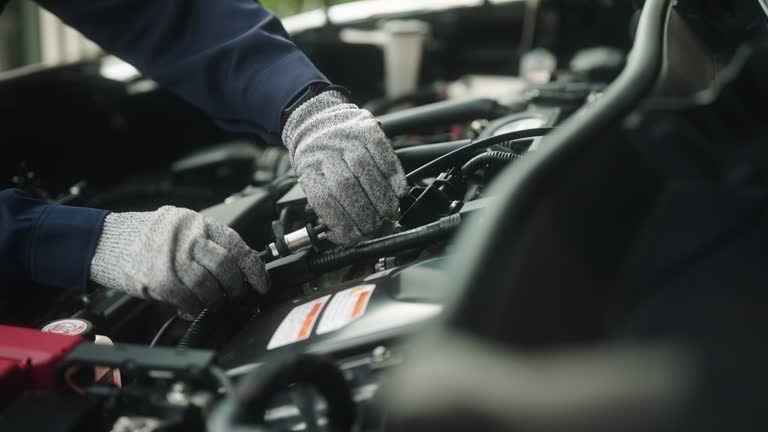
Maintenance is an often-overlooked cost that can significantly impact your car ownership experience. For first-time buyers, understanding how much to budget for car maintenance can be challenging. Regular services, tire replacements, and unexpected repairs can add up. I’ve found that setting aside a small monthly amount—say, 1-2% of the car’s value—can provide a comfortable buffer for these expenses. This proactive approach has saved me from financial stress more than once.
How Much Can You Negotiate Off a Certified Pre-Owned Car?
Negotiating the price of a certified pre-owned car can be daunting, but it’s a skill worth honing. In my experience, dealerships typically have some room for negotiation, even on certified vehicles. Doing your homework on the car’s market value and being prepared to walk away are powerful tactics. I’ve managed to negotiate up to 10% off the sticker price in some cases, simply by being informed and patient.
What to Keep in Mind Next
As you embark on your journey to car ownership, remember that the process is as much about planning as it is about excitement. Consider each financial aspect carefully, from insurance to maintenance, and remain adaptable to your unique situation. By doing so, you’ll not only secure a vehicle that meets your needs but also ensure it fits seamlessly into your life.