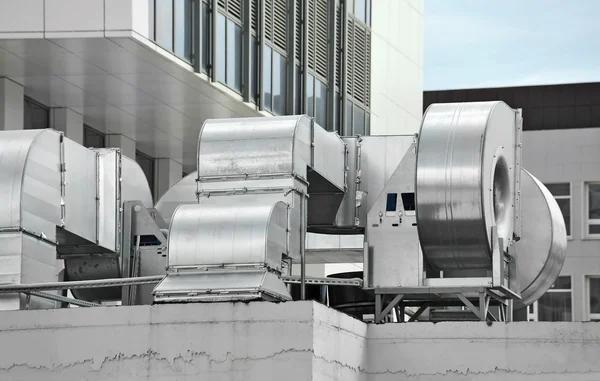

Optimizing HVAC infrastructure is essential for achieving high-performance buildings that prioritize energy efficiency, occupant comfort, and sustainability. The heating, ventilation, and air conditioning system plays a critical role in regulating indoor environments while significantly impacting a building’s overall energy consumption. To enhance HVAC performance, it is important to focus on system design, equipment selection, control strategies, and maintenance practices tailored to the specific needs of the building.
Effective design begins with understanding the building’s usage patterns, occupancy levels, and climate conditions. Accurate load calculations ensure that HVAC equipment is neither oversized nor undersized. Oversized systems can lead to frequent cycling and increased wear while undersized units struggle visit this website to learn more maintain desired temperatures. Incorporating advanced simulation tools during the design phase helps predict thermal loads more precisely and supports decisions about zoning layouts that optimize airflow distribution.
Selecting high-efficiency components contributes substantially to reducing energy use without compromising comfort. Modern variable speed compressors and fans adjust their output based on real-time demand rather than operating at fixed speeds. This adaptability reduces unnecessary power consumption during low-load periods. Additionally, integrating heat recovery ventilators or energy recovery ventilators allows fresh air intake while minimizing heat loss or gain through exhaust air streams.
Control systems are another cornerstone of optimized HVAC infrastructure. Smart thermostats equipped with sensors can monitor temperature fluctuations accurately across different zones within a building. These devices enable dynamic adjustments based on occupancy schedules or external weather changes. Building automation systems further enhance operational efficiency by coordinating HVAC functions with lighting controls and shading devices to reduce cooling loads naturally.
Regular maintenance ensures sustained performance over time by preventing common issues such as clogged filters or refrigerant leaks that degrade system efficiency. Implementing predictive maintenance using IoT-enabled sensors allows facility managers to detect anomalies early before they escalate into costly repairs or downtime disruptions.
Incorporating renewable energy sources like solar panels for powering parts of the HVAC system enhances sustainability goals by lowering reliance on fossil fuels and grid electricity during peak hours. Combining these technologies with proper insulation materials reduces thermal losses through walls and windows so that heating or cooling demands decrease accordingly.
Ultimately, optimizing HVAC infrastructure requires an integrated approach combining thoughtful design choices with cutting-edge technology deployment and proactive management strategies. High-performance buildings benefit from reduced operational costs, improved indoor environmental quality, lower carbon footprints, and enhanced occupant satisfaction when all elements work harmoniously toward efficient climate control solutions tailored specifically for each unique structure’s requirements.