
Replacing old plumbing lines in your property is a significant task that requires careful planning and execution. Aging plumbing systems can lead to leaks, water damage, and inefficient water flow, making it essential to address these issues promptly. This guide aims to help you navigate the process of replacing old plumbing lines with minimal stress.
First, it’s crucial to assess the condition of your current plumbing system. Look for signs of wear such as discolored water, low water pressure, frequent leaks, or visible corrosion on pipes. These indicators suggest that your plumbing system may be deteriorating and in need of replacement. Consulting a professional plumber for an inspection can provide a more accurate diagnosis.
Once you’ve determined that replacement is necessary, consider the materials for your new plumbing lines. Common options include copper, PEX (cross-linked polyethylene), and PVC (polyvinyl chloride). Copper is durable and has been used traditionally due to its reliability; however, it can be expensive. PEX is flexible and easier to install in tight spaces while being resistant to scale buildup and chlorine exposure—making it a popular choice among homeowners today. PVC is typically used for drain lines rather than supply lines due to its cost-effectiveness but lacks the durability needed explore further for hot water supply.
Planning the layout of your new pipes involves understanding the existing structure within walls or under floors where they will be installed or replaced. It’s important not only from an efficiency standpoint but also because any structural changes might require permits from local authorities before commencing work.
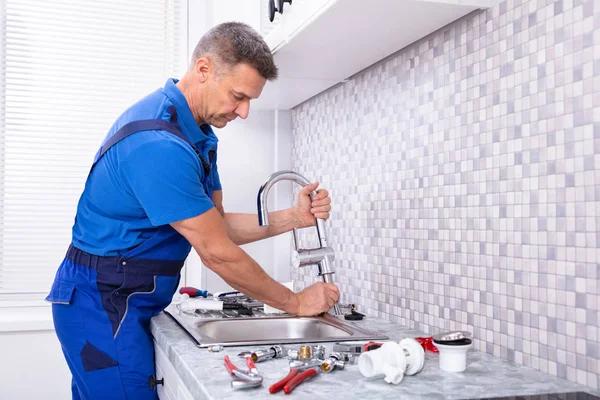
Hiring experienced professionals ensures quality workmanship when undertaking this kind of project since improper installation could lead back into costly repairs down line if done incorrectly initially! They’ll have knowledge about building codes which must adhere throughout entire process ensuring everything meets regulations set forth by local municipalities thereby avoiding potential fines later date should something go wrong unexpectedly during inspections post-completion phase too!
Budgeting plays another critical role here: factor costs associated purchasing necessary piping materials alongside labor fees charged contractors performing installations themselves along way so there no surprises arise financially speaking once job finished already underway either!