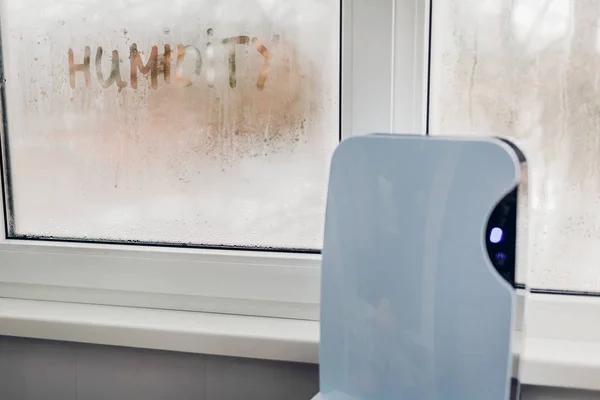

Maintaining optimal indoor humidity levels is essential for ensuring healthy air quality and comfort in homes and workplaces. Smart humidity control services have emerged as a valuable solution to manage moisture effectively, preventing the problems associated with both excessive dryness and high humidity. These advanced systems use intelligent sensors and automation technology to monitor, adjust, and maintain ideal humidity levels in real time, contributing significantly to improved air quality.
Excessive humidity can lead to the growth of mold, mildew, dust mites, and bacteria, which negatively affect respiratory health and exacerbate allergies or asthma symptoms. On the other hand, overly dry environments may cause skin irritation, dry eyes, nasal discomfort, and even damage wooden furniture or musical instruments. Smart humidity control services address these issues by continuously measuring indoor moisture content through precise sensors installed throughout visit the source collected data allows the system to activate humidifiers or dehumidifiers automatically when needed.
These smart systems integrate seamlessly with existing heating, ventilation, and air conditioning (HVAC) units or operate as standalone devices depending on specific requirements. They often connect to mobile apps or home automation platforms that enable users to monitor conditions remotely while receiving alerts if unusual changes occur. This proactive approach ensures timely interventions before problems escalate into costly repairs or health concerns.
One of the key advantages of smart humidity control is its energy efficiency compared to traditional manual methods. By adjusting output based on actual environmental needs rather than fixed schedules or guesswork, these systems reduce unnecessary power consumption while maintaining consistent comfort levels throughout different seasons. Additionally, many models feature learning algorithms that adapt over time by analyzing patterns related to weather changes or occupancy habits.
Beyond residential applications, smart humidity control services are increasingly adopted in commercial buildings such as offices, hospitals,and museums where preserving sensitive materials requires strict climate management standards. In healthcare settings especially,microclimate regulation plays a vital role in infection prevention protocols by limiting airborne contaminants linked with improper moisture balance.
Implementing smart solutions also supports sustainability efforts since controlling excess moisture helps prevent structural damage caused by water infiltration or condensation buildup inside walls,floors,and ceilings.This preservation reduces waste generated from frequent renovations due to mold remediation challenges common under uncontrolled conditions.
In summary,the integration of smart humidity control services offers an effective way to enhance indoor air quality while promoting occupant well-being,safety,and property longevity.These innovative technologies provide precise monitoring coupled with automated adjustments tailored specifically for individual environments,resulting in healthier living spaces without demanding constant user involvement.As awareness grows regarding indoor environmental factors influencing health,the adoption of intelligent moisture management continues expanding across diverse sectors seeking reliable,long-term improvements within their facilities.